

Quick Summary
These six B2B YouTube case studies show how KS Media clients generated pipeline, booked calls, signups, and stronger sales conversations. The table below breaks down each result and the approach that helped achieve it.
Client | Result | Starting point and timeframe | What drove it |
|---|---|---|---|
Taylor Haren, Sales Automation Systems | $28,000 from YouTube in 28 days, then 30+ booked calls per month | First month working with KS Media, then 5 months in booking 5–10 calls a week | Scripts built from his LinkedIn posts, each video promoted to his 19K-follower LinkedIn, and a call to action written into every script |
Adam Robinson, RB2B | 100k+ views and 100+ signups in 5 months | Started at 100–300 views per video; some videos later reached 40K+ views | Packaging adapted from proven video formats in other niches, tracked with UTM links |
Sam Dunning, Breaking B2B | $66,000 added from YouTube | 2.3K subscribers, a $5.5K/month deal on a 12-month contract | Ranking for “B2B SEO” searches, plus videos sent to prospects before calls |
Jeremy Horowitz, CoCo AI | $250,000 in pipeline from YouTube | 5 videos on a brand-new channel within 2 months | Sending each video to partners, prospects and his 40,000 LinkedIn followers |
Nicolas Boucher, AI Finance Club | $13,500 client signed from YouTube | Near zero to 13K+ subscribers in 10 months | Search-based topics that ranked first for “AI for finance” |
Gal Ko | Becoming the authority in his niche, with shorter sales cycles | 7 videos published over 2–3 months | Videos sent to prospects so they’d see his expertise before buying |
Why YouTube Can Pay Off in Different Ways
In Gartner’s survey of 771 B2B buyers, 65% said YouTube influenced a recent purchase decision, compared with 43% who said the same about LinkedIn.

But reaching buyers on YouTube is only part of the challenge. What matters is how you turn that attention into leads, signups, or sales.
The case studies below show different ways to achieve that. One founder generated pipeline by sharing videos with prospects and an audience he’d already built. Another attracted buyers through YouTube search. Others used stronger titles and thumbnails to reach new viewers or calls to action to turn those viewers into booked meetings.
That’s why our YouTube strategy starts with research rather than guesswork. We find the topics your buyers already search for and the proven formats from nearby niches, then package each video so the right viewer clicks and has a clear next step once they’re watching.
The right approach depends on your audience, what you sell, and where your buyers are in their decision-making process.
How We Track YouTube Results
At KS Media, we use three sources to understand how YouTube videos contribute to leads and sales:
UTM links: Tagged links in video descriptions help us track website visits and conversions from viewers who click through, provided conversion tracking is set up.
“How did you hear about us?”: Adding this question to booking or signup forms helps identify buyers who watched a video but returned later through Google, LinkedIn, or another channel.
Client-reported results: Clients also share outcomes from their sales process, such as Taylor’s reported 5–10 booked calls a week from YouTube.
We include tracking in our YouTube strategy and measurement plan before videos go live. Adam Robinson, for example, says he knows signups come from his videos “because I see UTMs.”
However, these methods don’t capture every way YouTube influences a purchase. Someone might watch several videos before contacting a business through another channel. So the figures in these case studies reflect the results clients have tracked or reported, rather than the full impact YouTube may have had.
How Taylor Haren Made $28,000 in 28 Days, Then Got to 30+ Booked Calls a Month
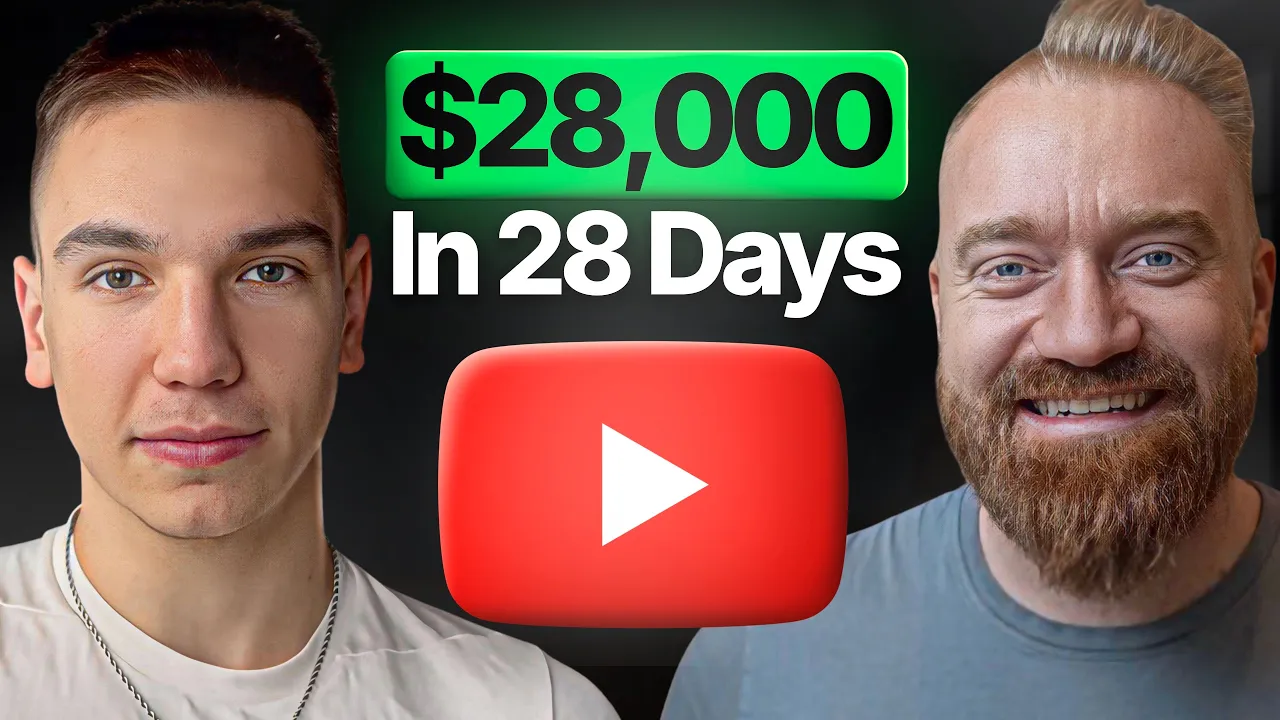
Taylor Haren, co-founder of Sales Automation Systems, generated $28,000 from YouTube in his first 28 days working with KS Media. During that period, YouTube became one of his top lead channels, generating more booked calls and nearly as much website traffic as LinkedIn, where he already had 19,000 followers.
Before working with us, Taylor had spent $25,000 on three other YouTube agencies. In a LinkedIn post about his experience, he explained one of his frustrations: “I have a ton of content on LinkedIn already. Why didn’t they just pull from there?”
Rather than develop everything from scratch, we built his YouTube scripts around his existing LinkedIn posts, written processes, and ideas that had already resonated with his audience. This also reduced the work required from Taylor. He said his last three scripts needed no edits, and each took no more than 15 minutes of his time.
We also promoted every new video to his LinkedIn audience. Each upload had a dedicated LinkedIn post built around the video’s hook, and people could comment to have the video sent to them. Taylor reported 292 website visits from YouTube compared with 305 from LinkedIn, putting the two channels almost level in traffic.
But his existing audience wasn’t the only source of growth. Samu noted that most of the YouTube traffic came organically through the platform’s recommendations. LinkedIn helped put the videos in front of people who already knew Taylor, while YouTube also helped him reach viewers beyond that audience.
You can watch Taylor’s full 28-day breakdown.
From the First Month to 30+ Booked Calls a Month
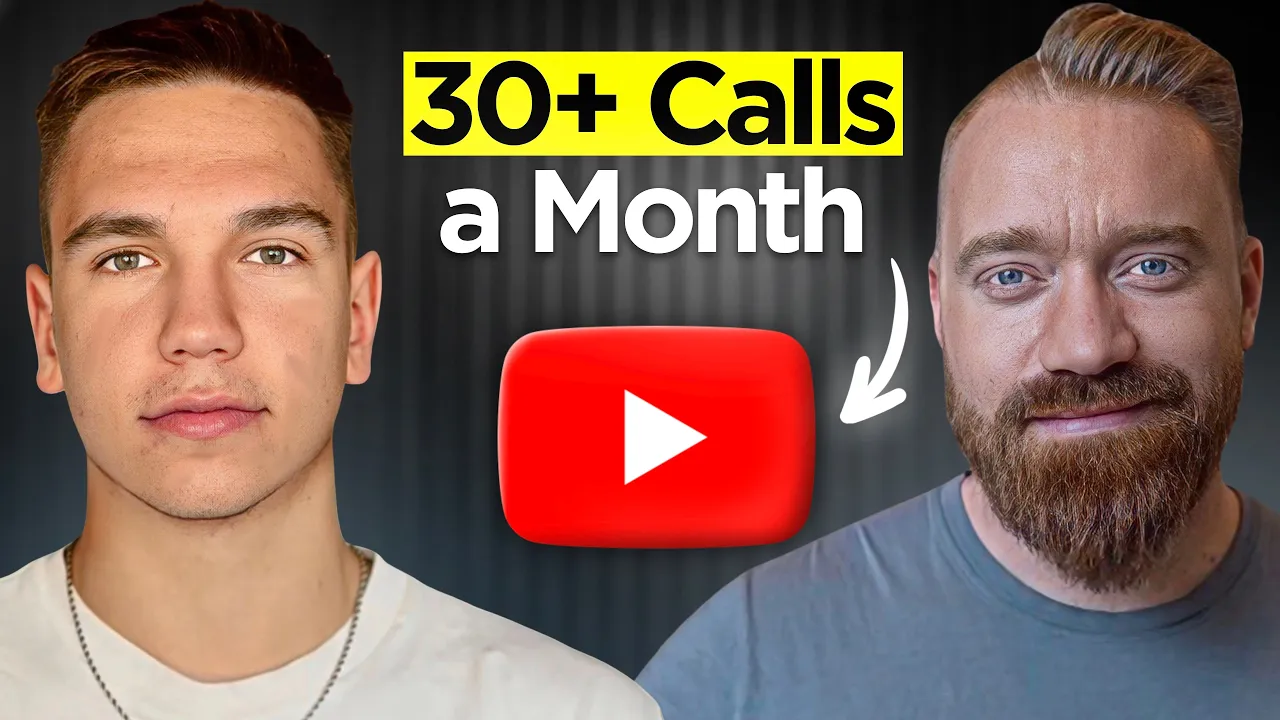
Five months in, Taylor’s channel was generating 30+ booked calls per month from YouTube, with 5–10 calls coming in each week. A key part of the approach was building calls to action into the scripts, giving interested viewers a clear next step.
You can see how this works in one of Taylor’s best-performing videos, “How I Get Unlimited Leads Using Claude Code (For Cold Email)”. The video teaches viewers how to generate leads using Claude Code, while directing those who would rather have the system built for them toward a free intro call. That call to action appears in three places:
In the description: The booking link, “Book an Intro Call With Us,” appears in the first line, making it easy for viewers to find.
During the video: About six and a half minutes in, a short call to action invites viewers who don’t want to build the system themselves to book a call.
At the end: Taylor repeats the invitation, this time with a longer, more direct explanation of the offer.
We usually place the mid-video call to action about a third of the way through, after viewers have received something useful. This gives interested viewers a chance to act before the video ends. And because viewers need to stay engaged long enough to reach that point, our editing focuses on keeping B2B buyers watching.
The call to action also fits naturally with what Taylor sells. The video teaches viewers how to build a cold email lead generation system themselves. But for those who don’t have the time or expertise to do it, Sales Automation Systems offers to build the system for them.
Not every interested viewer is ready to buy, though. Taylor says YouTube attracts more “tire-kickers” than LinkedIn, meaning people who show interest but aren’t necessarily serious about purchasing. Even so, it helps him reach a wider pool of potential customers.
You can watch Taylor explain how his channel generates booked calls.
How Adam Robinson Went From 100–300 Views to 100+ Signups
Adam Robinson, founder of RB2B, generated 100K+ views and 100+ signups from YouTube in five months. Before working with us, his videos typically attracted 100–300 views each. Some have since reached 40K+ views, helping bring more potential customers to his SaaS.
One of the biggest changes was how we packaged his videos, particularly the titles and thumbnails that encourage people to click. We studied hundreds of videos in Adam’s niche and related niches, looking for outliers that performed far better than other videos on the same channels. Then we adapted those successful formats to topics relevant to Adam’s audience.
For example, “If I started investing in 2026” was a proven format in the investing niche. We adapted it into Adam’s “If I Started a SaaS in 2026, I’d Do This,” which Samu reported at 68,000 views. Another successful video from the LinkedIn niche, “LinkedIn is about to change forever, and nobody even realizes,” inspired Adam’s “SaaS is about to change in 2026 and nobody even realizes.”
But getting people to click was only part of the process. The videos also needed to turn viewers into potential customers. In one video, Adam introduces RB2B as the first step in identifying website visitors, showing viewers how the product fits into the process he’s teaching. The video descriptions also include UTM-tagged links, allowing Adam to track visits and signups from viewers who click through.
The videos attracted viewers through both YouTube search and the home feed. One was still getting 45% of its traffic from YouTube search 250 days after publication, while another received most of its views from the home feed. This shows why titles and thumbnails need to work together, whether viewers discover a video while searching for a solution or see it recommended on their homepage.
You can hear Adam explain his experience working with KS Media.
How Sam Dunning Added $66,000 With 2.3K Subscribers
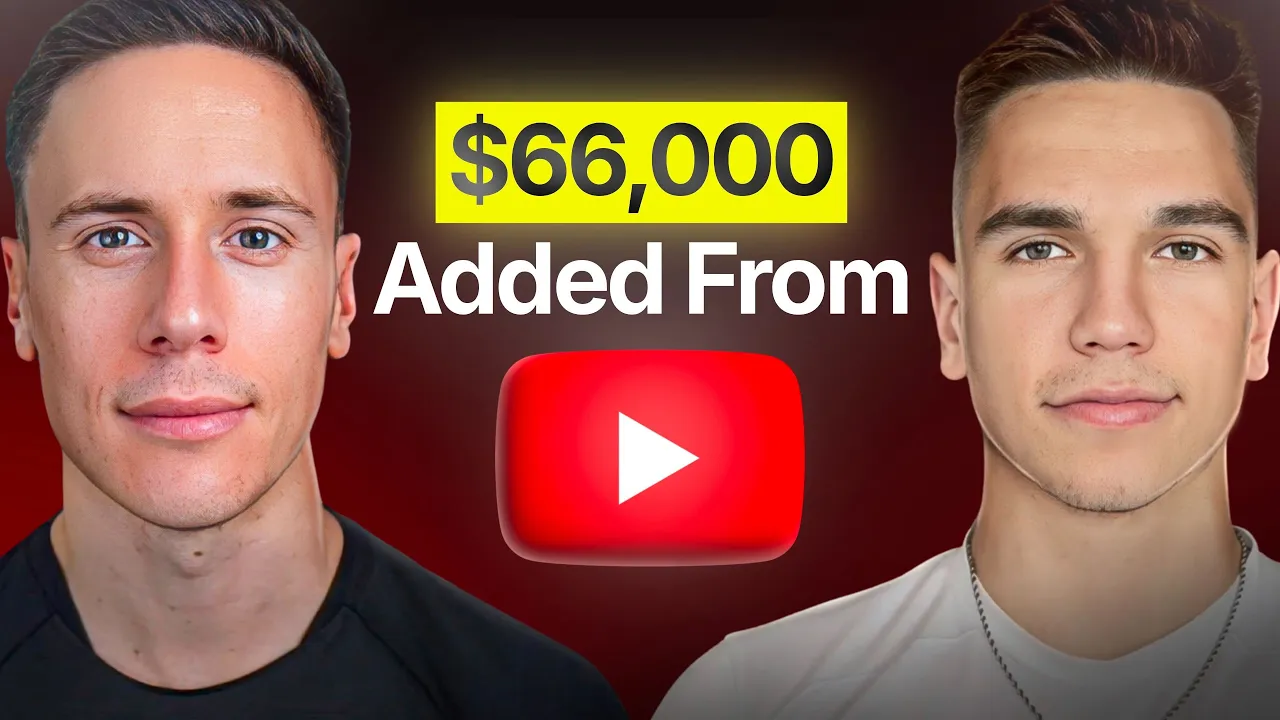
Sam Dunning, founder of Breaking B2B, landed a $5,500-per-month client on a 12-month contract worth $66,000, with help from YouTube. He achieved this with just 2.3K subscribers, showing that a B2B channel doesn’t need a large audience to generate valuable business opportunities.
Sam runs an SEO agency for B2B companies, so our strategy focused on reaching potential clients searching for the services he offers. We studied videos ranking for terms like “B2B SEO” and planned content that could answer those searches better. His videos now show up for relevant searches on YouTube, with some also appearing in Google and ChatGPT results.
According to Samu, most of Sam’s videos attract between 400 and 1,000 views. While those numbers may seem modest, the videos reach people actively looking for information about B2B SEO, including potential customers for his agency.
But search visibility was only part of the result. Sam also uses his YouTube videos throughout the sales process. When a prospect books a call, he sends them a relevant video to help them understand his approach. He does the same after the discovery call to address their questions and build confidence in his expertise.
That approach helped with the $66,000 deal. The buyer was already familiar with Sam’s expertise through his videos before reaching out, and the sales process took just two or three days.
You can watch Sam explain how he uses YouTube to win clients.
How Jeremy Horowitz Added $250,000 in Pipeline With Five Videos
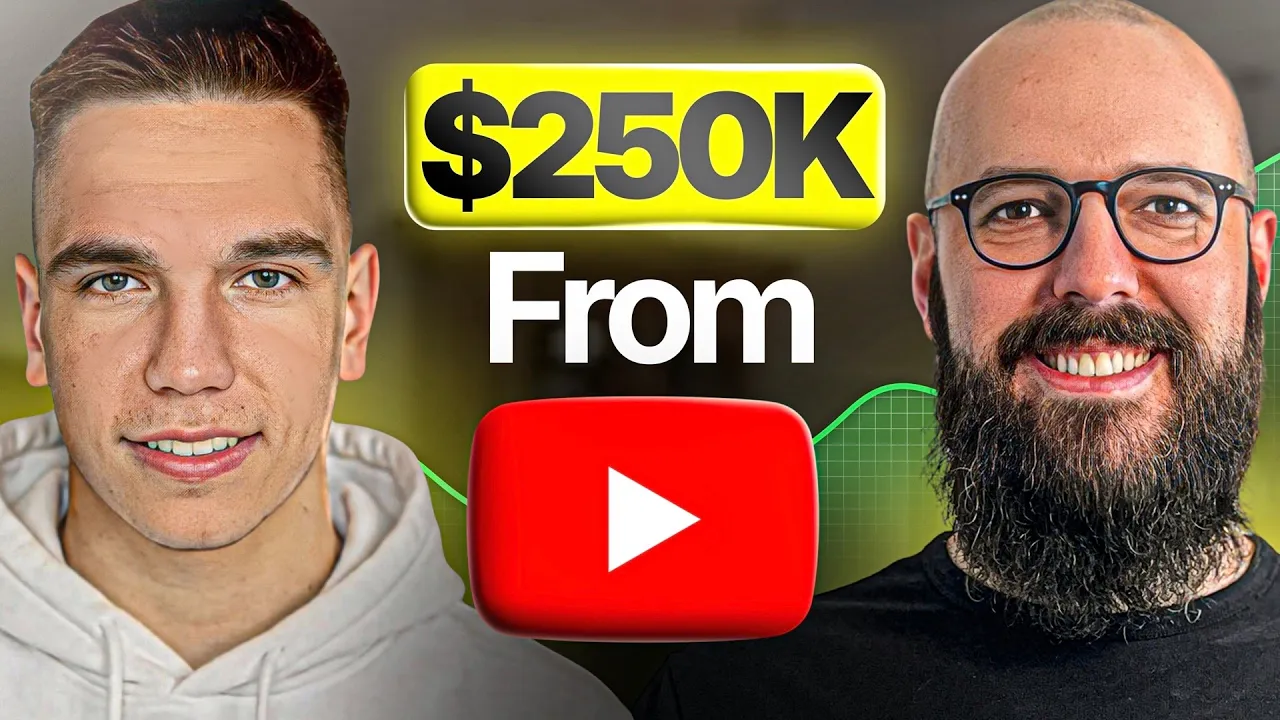
Jeremy Horowitz, founder of the WhatsApp marketing platform CoCo AI, added $250,000 in pipeline from YouTube. He achieved this with just five videos on a brand-new channel, within two months of working with us. And most of that value came from people who already knew him.
Jeremy wasn’t starting from scratch, though. He’d written 2,000 to 3,000 LinkedIn posts and a weekly newsletter for three years, and he had 40,000 LinkedIn followers. He’d also tried podcasting and short-form video, but he didn’t have any long-form videos that explained his thinking in depth.
We turned that existing content into long-form YouTube videos, using his LinkedIn posts and newsletters to develop the scripts. Each video was then shared with his LinkedIn audience. Jeremy also used the videos in conversations with partners and prospects. Whenever someone asked him a question, he’d send a short answer along with a relevant video that explained the topic in more detail.
In his interview with Samu, Jeremy estimated that roughly 95% of the value came from sharing videos with people he was already speaking to. Only two or three deals came directly from YouTube viewers or videos shared on LinkedIn. He was also building an email sequence to send four or five videos to prospects after they booked a demo, helping them understand his approach before the call.
The takeaway is that you don’t need to build a large YouTube audience before your videos can contribute to pipeline. If you already have an audience or an active sales pipeline, sharing relevant videos with those people can help move conversations forward.
That’s why our YouTube distribution service focuses on getting videos in front of your existing audience through LinkedIn and email, rather than relying entirely on YouTube discovery. You can watch Jeremy’s full interview with Samu to hear how he used those five videos to generate $250,000 in pipeline.
How Nicolas Boucher Signed a $13,500 Client From YouTube Search
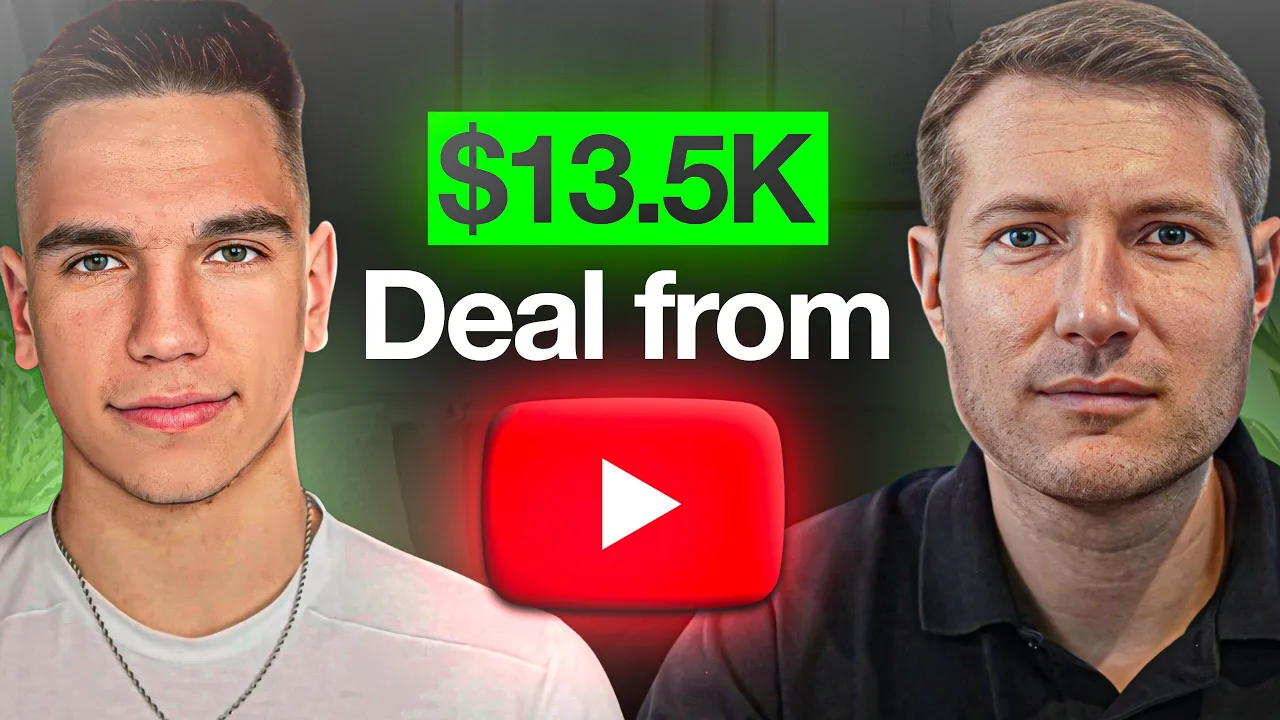
Nicolas Boucher, founder of AI Finance Club, signed a $13,500 client through YouTube. In 10 months, his channel grew from nearly zero to 13K+ subscribers. It also started attracting paid community members and enquiries from companies interested in corporate training.
YouTube search played a major role in that growth. Nicolas’s videos answer questions finance professionals are already searching for. When Samu checked the results for “AI for finance,” Nicolas’s videos occupied the top two positions. His video, “Top 10 AI Tools For Finance You MUST Know in 2026,” also ranked first for searches like “best AI tool for finance.” This is the kind of topic research behind our YouTube SEO strategy.
The $13,500 client is a good example of how that search visibility can translate into business. They discovered Nicolas through YouTube, watched several of his videos, and booked a call. By the time they spoke, the videos had already helped them understand his expertise, and they signed on after just one sales call. Nicolas also started receiving enquiries from companies interested in hiring him for in-person corporate training.
Beyond choosing the right topics, we built the scripts around Nicolas’s existing posts, newsletters, and presentations, so the videos reflected his expertise and how he explains things. Each video also included one or two calls to action, with the main link placed at the top of the description. Initially, these links directed viewers to free resources. Later, they pointed directly to his paid community, giving interested viewers a clear next step.
You can watch the full breakdown of how Nicolas used YouTube to attract clients.
How Gal Ko Became an Authority in His Niche
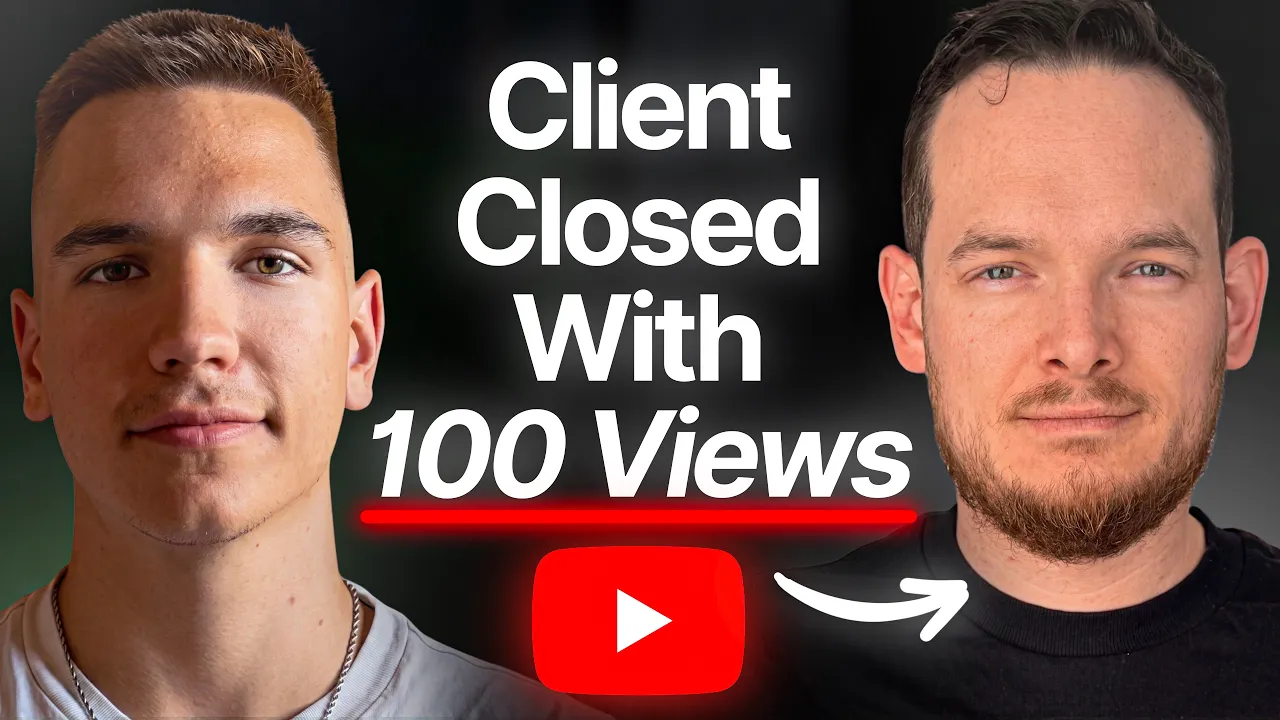
YouTube helped Gal Ko establish himself as an authority in his niche, shorten his sales cycles, and turn prospects into buyers. Unlike the other case studies, the value wasn’t measured in revenue or booked calls, but in the quality of his sales conversations.
Gal serves a narrow niche, and his YouTube audience is still relatively small. He also didn’t see many people join his community directly from YouTube. Instead, he found value in sharing his videos with potential clients, giving them useful information while demonstrating his expertise before a sales conversation.
“It put me on the stage as the guy in the industry,” Gal told us. He noticed that prospects began treating him as an authority, which improved “the quality of the discussions I had afterwards.” At the time of his interview, we’d published seven videos over two to three months, all scripted from his existing content to reflect his expertise and voice.
We use a similar approach in our own sales process at KS Media. When someone books a call, they receive an automated email the day before with a couple of our case-study videos. This gives prospects a chance to understand our approach and see examples of our work before speaking with us.
You can watch Gal’s interview to hear how he uses YouTube to build credibility with potential clients.
Which of These B2B YouTube Case Studies Matches Your Starting Point?
Each result started from a different place. Use these examples to choose the approach that fits your own company:
You already have a LinkedIn following or an email list: Start the way Jeremy and Taylor did, and share your videos with people who already know you. Our distribution work turns each video into posts and emails for those channels.
Your buyers search for the problems you solve: Build around search, like Nicolas and Sam. Find the terms your buyers type into YouTube and create videos that answer their questions better than existing results, giving them a chance to rank on YouTube and Google.
You want to reach people beyond your current audience: Adapt proven video formats from related niches, like Adam did, and tailor the titles and thumbnails to your topic.
You want to turn viewers into leads or signups: Include a clear call to action in each script and use UTM-tagged links to track visits and conversions, as Taylor and Adam did.
You sell a high-ticket service with long sales conversations: Share relevant videos with prospects before or after sales calls, the way Gal and Sam do.
Several clients combined more than one approach. Another recurring theme was using their existing content to develop YouTube videos, rather than starting every script from scratch. That’s also a key part of our YouTube scripting service.
FAQs
How Long Does it Take for a B2B YouTube Channel to Generate Leads?
KS Media’s strategy guidance suggests a B2B channel can start attracting leads in two to six weeks if you already have a LinkedIn following or email list to share videos with. From a standing start, two to four months or longer is a more realistic planning estimate. Neither is a guaranteed timeline, and videos can keep earning attention beyond those first few months.
How Many Views Do You Actually Need for B2B YouTube to be Worth It?
What matters most is reaching the buyers you sell to, and the views follow from that. Broad topics may attract tens of thousands of viewers, while a video aimed at a specific ICP might reach a couple of hundred to a couple of thousand. The examples above show why a smaller audience can still produce signups and deals when the topics match what buyers need.
How Much Does a B2B YouTube Agency Cost?
Full-service B2B YouTube agency retainers can run roughly $3,000 to $7,000 a month, depending on scope. These are illustrative industry figures, not KS Media prices. For that, the agency handles strategy, scripting, editing, thumbnails and publishing while you do the recording. The price changes with how many videos you make and how much distribution you need. Our comparison of YouTube agencies for B2B SaaS breaks down what different agencies include.
Do I Need To Be On Camera?
Someone from your company needs to be on camera, and it can be anyone who’ll present consistently. That could be a head of marketing, a subject-matter expert or the founder. With us, recording takes two to three hours a month. And because we write the scripts from content you’ve already published, you aren’t starting from a blank page.
Where Your Own Case Study Starts
Every client on this page had something to build on. For some, it was an existing LinkedIn audience or a library of posts; for others, it was expertise their buyers were already searching for. The next step is deciding how to turn those strengths into videos that reach potential customers.
That’s the part we do for you. You record, and we handle the strategy, scripts, editing, thumbnails, SEO and distribution. Book a free YouTube strategy call and we’ll show you which of these approaches fits your business.